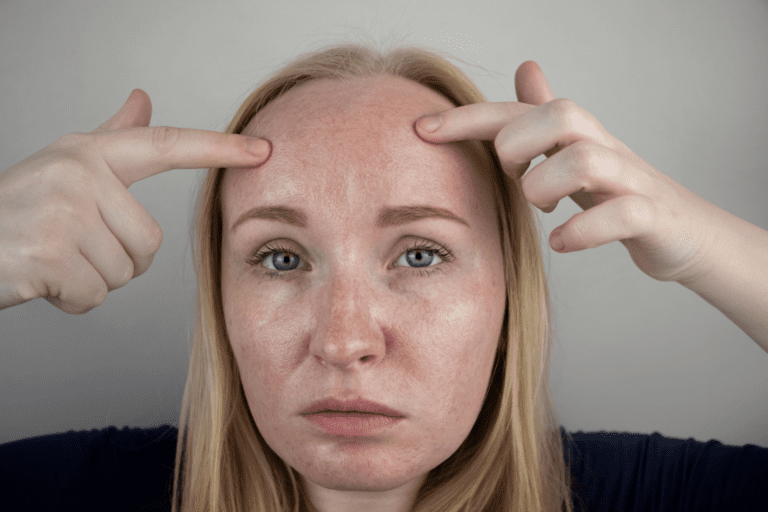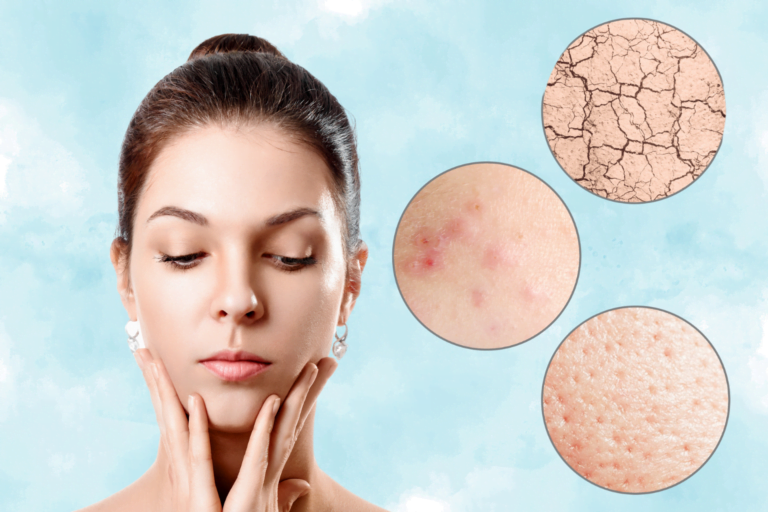

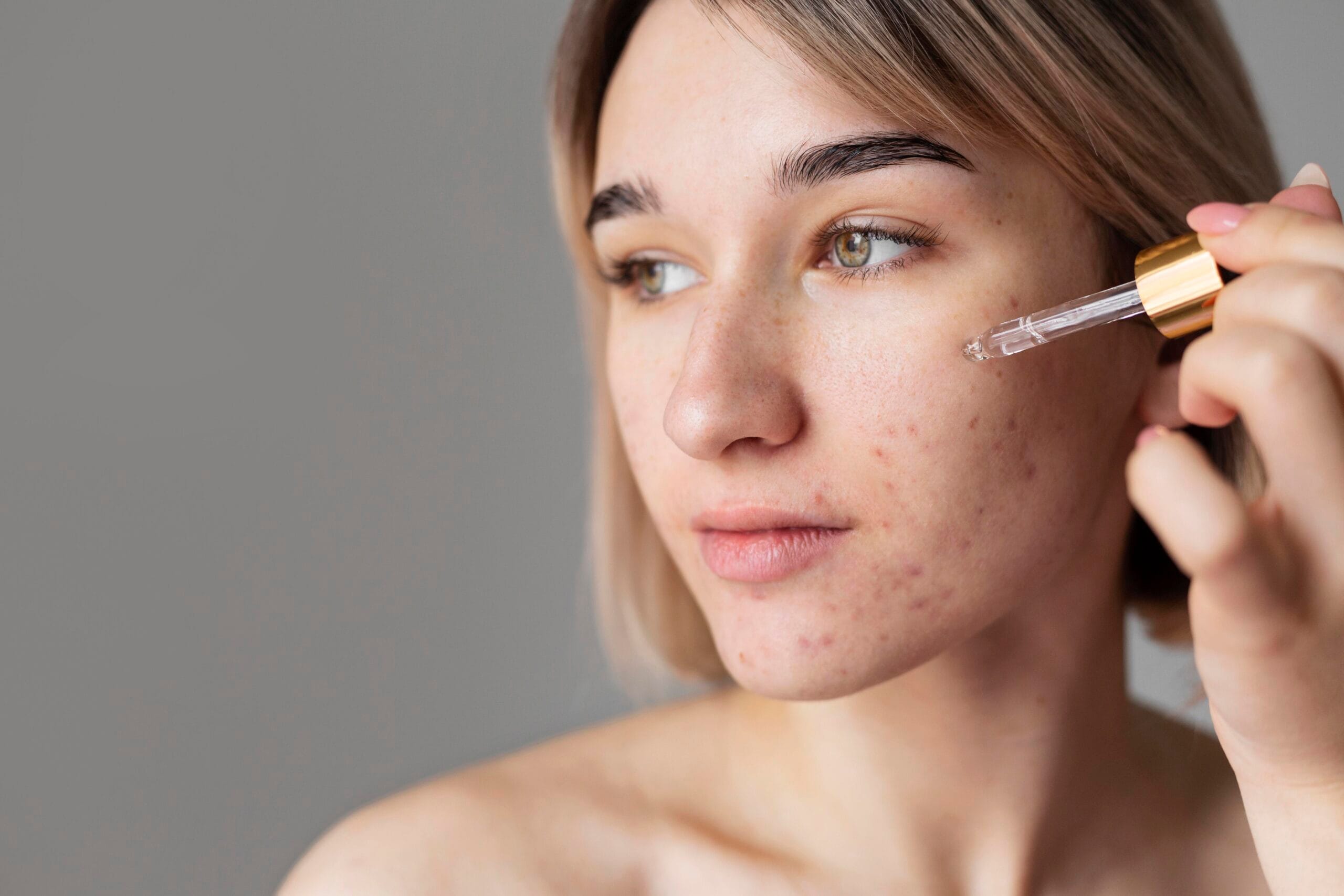
Moisturizing acne-prone skin may sound tricky—after all, acne is often associated with oily skin. But skipping moisturizer can make acne worse, because the skin becomes dry, irritated, and produces more oil.
This detailed guide will help you choose the right moisturizer, understand its benefits, and use it properly for acne-prone skin.
Why Acne-Prone Skin Needs a Moisturizer
Many people think oily or acne-prone skin doesn’t need hydration. That’s a common misconception.
How Moisturizers Help Acne-Prone Skin
Balance Oil Production – Proper hydration signals your skin to produce less oil.
Prevent Dryness & Flakiness – Acne treatments (like benzoyl peroxide or retinoids) can be very drying.
Strengthen Skin Barrier – A healthy barrier protects against bacteria and irritants.
Reduce Inflammation & Redness – Moisturizers with soothing ingredients calm acne-prone skin.
Skipping moisturizer can trigger overproduction of sebum, making breakouts worse.
Try our product for best results:- Ayovel Skin Moisturizing Lotion | Body Lotion for Men and Women
Best Ingredients in a Moisturizer for Acne-Prone Skin
Choosing the right ingredients is critical. Look for:
1. Non-Comedogenic Oils
Jojoba oil, squalane, grapeseed oil
Hydrate without clogging pores
2. Humectants
Glycerin, hyaluronic acid, aloe vera
Draw moisture into the skin and keep it hydrated
3. Soothing & Anti-Inflammatory Ingredients
Niacinamide → reduces redness, strengthens barrier
Green tea extract → calms irritation
Centella asiatica / Cica → repairs damaged skin
4. Lightweight & Oil-Free Formulas
Gel-based or water-based creams
Absorb quickly without leaving greasy residue
Types of Moisturizers Suitable for Acne-Prone Skin
| Type | Description | Best For |
|---|---|---|
| Gel Moisturizer | Lightweight, absorbs quickly | Oily & combination skin |
| Water-Based Lotion | Hydrating but non-greasy | Normal to oily skin |
| Non-Comedogenic Cream | Rich hydration without clogging pores | Dry spots or post-treatment skin |
| Oil-Free Moisturizer | Controls shine | Acne-prone & sensitive skin |
Benefits of Using Moisturizer for Acne-Prone Skin
Hydration Without Clogging Pores
Keeps skin soft and smooth
Prevents overproduction of sebum
Reduces Inflammation
Calms red, irritated skin
Helps acne treatments work better
Supports Skin Barrier Health
Protects against bacteria, pollutants, and dryness
Strengthens natural defenses
Improves Texture & Appearance
Smooths skin surface
Reduces flaky patches
Enhances Treatment Results
Moisturized skin responds better to acne serums and treatments
Try our product for best results:- Ayovel Skin Moisturizing Lotion | Body Lotion for Men and Women
Step-by-Step Guide to Using Moisturizer for Acne-Prone Skin
Step 1: Cleanse Your Skin
Use a gentle, non-foaming or gel-based cleanser
Step 2: Apply Acne Treatment (Optional)
Serums, benzoyl peroxide, retinoids, or salicylic acid
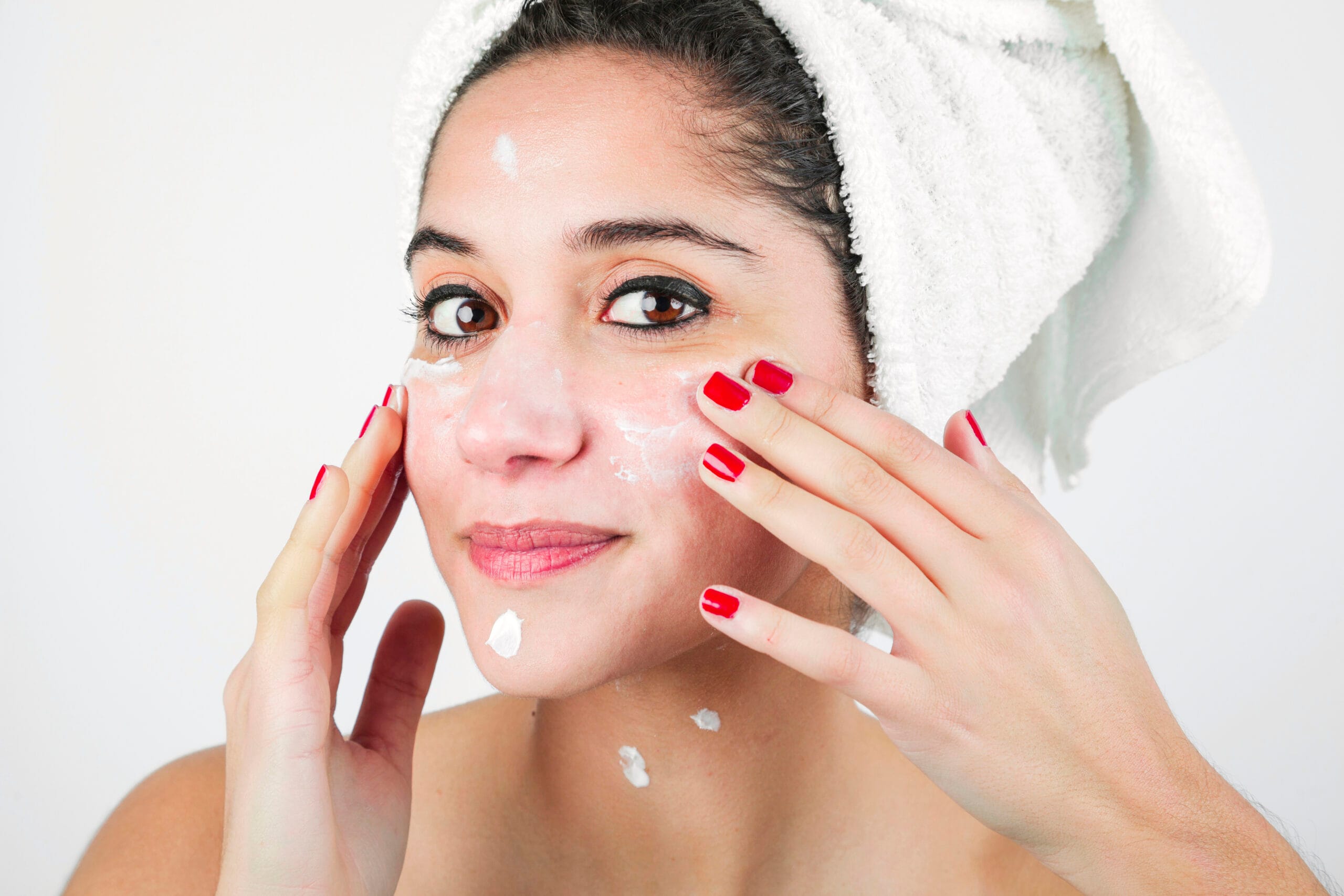
Step 3: Apply Moisturizer
Take a pea-sized amount
Apply gently in upward circular motions
Focus on dry areas without overloading oily zones
Step 4: Apply Sunscreen (Morning Routine)
Moisturizer should be layered under sunscreen
Step 5: Night Routine
Apply moisturizer after cleansing and any treatment
Locks in hydration overnight
Tips for Choosing the Right Moisturizer for Acne-Prone Skin
Always look for “non-comedogenic” label
Prefer oil-free or gel-based formulas
Avoid heavy creams, petroleum jelly, or occlusive oils
Include soothing and hydrating ingredients like niacinamide or hyaluronic acid
Patch test before full use
Final Conclusion
Moisturizer is essential for acne-prone skin, even if your skin is oily.
Morning: Cleanse → Moisturizer → Sunscreen
Night: Cleanse → Treatment → Moisturizer
Choosing non-comedogenic, lightweight, soothing moisturizers ensures your skin stays hydrated, calm, and breakout-free while helping treatments work more effectively.